Electrical Contractor in Escondido, CA
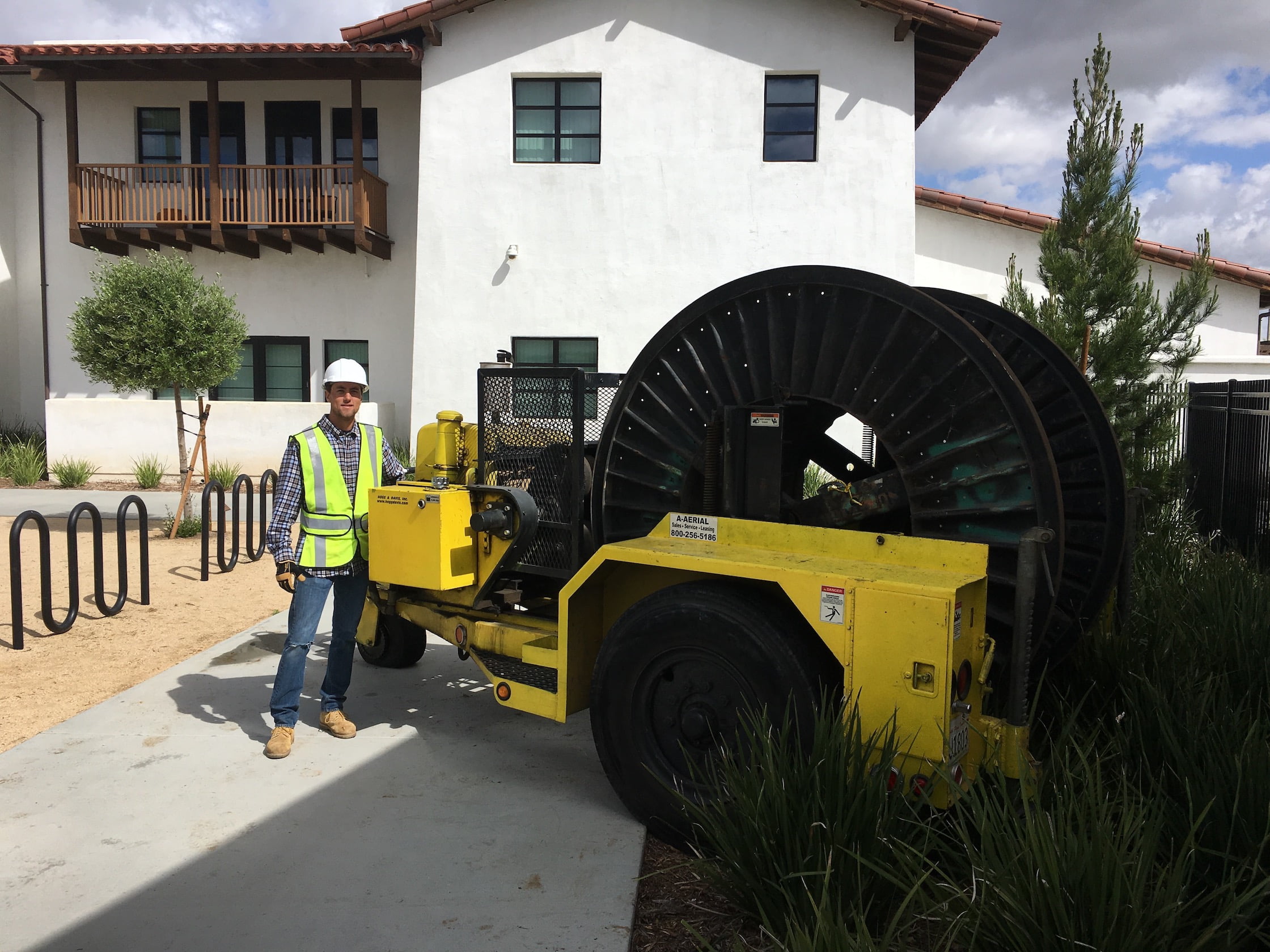
Established in 1976, an electrical contractor in Escondido with over 45 years of commitment to quality, Skelly Electric has focused on design-build solutions for its customers. A trusted name throughout San Diego County for standby generators, backup energy, solar solutions, and industrial fan installations.
The core of our success as an electrical contractor stems from our dedication to providing powerful results to every residential, commercial, and industrial customer on every project.
As a Woman-Owned Small Electrical Contractor, our service area focuses on and around our local community, then extends out to the whole of San Diego County and surrounding areas.
Our Mission
Empowering Escondido with top-tier electrical services defines our core purpose as your electrical contractor. We strive to bring exceptional customer service and expert workmanship to every project, placing safety, efficiency, and innovation at the forefront of our efforts.
As an electrical contractor, we are committed to providing commercial and industrial clients with sustainable solutions like custom solar options that meet the evolving needs of our community. This includes ensuring that every service we provide as your electrical contractor aligns with the latest environmental standards.
As guardians of your electrical systems, we aim for excellence in every installation or improvement we undertake. This commitment extends beyond mere technical services; as a reputable electrical contractor, it’s about fostering trust and reliability within the vibrant fabric of Escondido.
Our Services
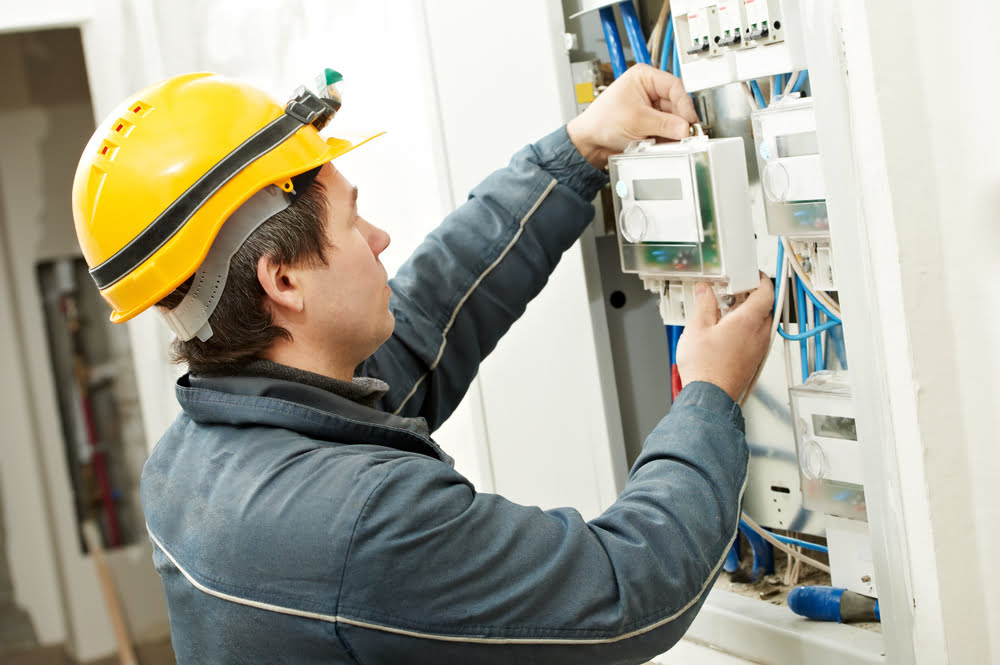
At Skelly Electric, we offer a diverse range of specialized services tailored to meet the unique needs of our clients as their electrical contractor. Our expertise as an electrical contractor spans various areas of the electrical industry, ensuring that we can provide comprehensive solutions for residential, commercial, and industrial projects.
Generators
We're equipped to handle all aspects of generator services. From installation to routine maintenance and warranty work, we ensure that your backup power solutions are reliable and efficient.
Our skilled electric professionals work meticulously while adhering to strict safety standards to ensure operations remain steady and secure.
Our skilled electric professionals work meticulously while adhering to strict safety standards to ensure operations remain steady and secure.
Solar/Batteries
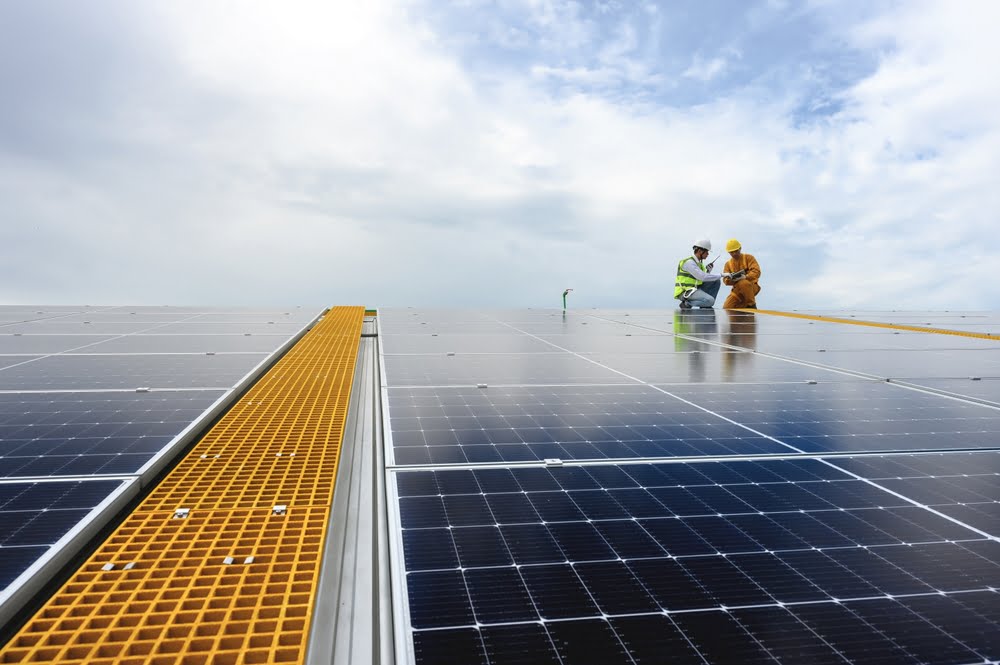
- We design, install, service, and upgrade solar systems for commercial or residential applications.
- We design, install, service, and upgrade batteries for commercial or residential applications.
Whether it's upgrading lighting, installing energy-efficient fixtures, or setting up advanced security systems, we ensure that the electric installations enhance both functionality and ambiance.
Industrial Fans
We specialize in the installation, service, and warranty repairs of industrial fans and high-capacity fans suitable for schools, commercial spaces, industrial facilities, warehouses, and more.
Design-Build Electrical
Our company stands out in delivering top-notch electrical services for both Commercial and Multi-Residential projects. Our team employs expert planning, coupled with precise construction methods tailored to meet the specific requirements of each project and our partners’ needs. Every element of our work is aimed at improving quality of life.
Electrical Services
While no longer our primary service focus, we consider electrical services on a case-by-case basis.

Benefits of Working with Professional Electrical Contractors
Our Partners
We partner with industry leaders to provide our clients with brands and products they can trust to provide robust, sustainable, and compatible solutions for their homes and businesses.




Why choose Skelly Electric?
At Skelly Electric, we stand out as a top choice for electrical work in Escondido. Our skilled technicians bring expertise to every project, ensuring installations and repairs are performed with precision and care.
We specialize in commercial electrical system solutions, design-build projects for affordable housing, and state-of-the-art custom solar solutions that keep you powered up efficiently. As your electrical contractor, our dedication to quality workmanship sets us apart from others in the field.
Skelly Electric values your safety; thus, we, as your electrical contractor, adhere strictly to compliance codes during every service call. With an array of professional services tailored to meet your specific needs, choosing us means investing in enduring excellence for all your electric-related endeavors.
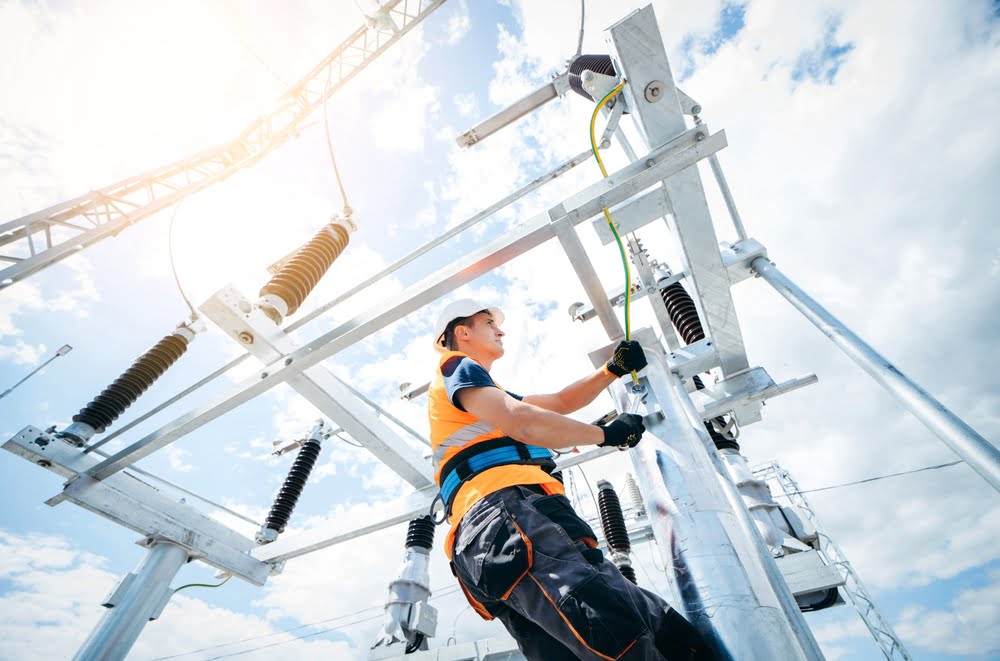

Powered By Certified Technicians
- Authorized Dealer
- Installer
- Warranty Technicians

- Authorized Dealer
- Installer
- Warranty Technicians

- Certified Installer
- Technician

- Certified Installer
- Repairs
Case Studies & Testimonials
“So glad we had the chance to work with this company. Everyone was easy to work with and made themselves available to us at every point through the entire project. Communication is so important to me and it was never an issue with ANYONE at this company!…
Read More
It is evident they run a tight ship and have great people on their teams. Their crews were just great! Particularly enjoyed working with Mike!! And, David!! The owner was really accommodating to us, too! We would work with them again and would recommend them freely! I only give out 5 star reviews. If I can’t give a company my 5-star approval I don’t bother to review so these guys really impressed me!
– J.K.
”Thanks to Skelly Electric and especially Doug Hoff for his research and advice on a back-up generator for a difficult off-grid application in rural San Diego.
David H.
Schedule A Consultation
Ready to power up your project with Skelly Electric’s expertise? Schedule a consultation with our team today. Whether you’re exploring backup power solutions, solar energy options, industrial fan installations, or any of our comprehensive electrical services, we’re here to guide you through the process.
Schedule Now
Frequently Asked Questions
What types of services do you offer?
- We install, service, and provide maintenance for home standby generator brands Kohler and Generac.
- We install and service backup battery systems.
- We design, install, repair, and upgrade PV systems.
- We install, service, and maintain industrial fans for Big Ass Fans and Macro Air.
What geographic areas does Skelly Electric serve?
While based in Escondido, CA, our projects extend from San Diego to Sacramento. We cater to both residential and commercial clients across a diverse range of locations.
Contact UsHow can I get in touch with Skelly Electric for a project?
To request a consultation, please call or email us. We offer on-site visits as needed and recommend virtual consultations for a more rapid turnaround time for proposals.
Request ConsultationView All FAQs
“Generating Powerful Results Every Day”
Power Up Your Electrical Solutions: Let’s Connect Today!
Ready to power up your electrical solutions? Skelly Electric is here at the forefront, embracing cutting-edge technology and sustainable practices. We specialize in everything from commercial systems to custom solar installations, boosting both efficiency and value for our clients.
Trust us for compliance with stringent safety codes and expect nothing short of excellence in workmanship. Our team stands ready to transform your electrical needs into a reliable infrastructure tailored just for you.
Connect with us now; let’s electrify your world with top-tier service!
Request Consultation